Baltimore, MD.
Baltimore is the second-largest US Ro-Ro auto port, the East Coast's leading auto-import gateway, and a critical link in the I-95 northeast corridor. The Port of Baltimore handles a million-plus vehicles per year plus heavy breakbulk and project cargo, while the Fort McHenry Tunnel HAZMAT restrictions force every placarded load onto the I-695 outer loop. With the Francis Scott Key Bridge collapsed in 2024, drayage flows through Baltimore changed permanently and made the I-895 Harbor Tunnel and I-695 Beltway even more critical to regional freight.
Every roadside service we run in Baltimore
Featured Baltimore Service Providers
Insurance-current network rescuers with verified compliance, equipment, and live availability status.
Charm City Mobile Truck Repair
- 24/7 dispatch
- Fleet of 9
- 13 years in business
- Insurance verified
Inner Harbor Tire & Drayage
- 24/7 dispatch
- Fleet of 7
- 9 years in business
- Insurance verified
Fort McHenry 24/7 Recovery
- 24/7 dispatch
- Fleet of 11
- 12 years in business
- Insurance verified
Baltimore MD Freight Corridors & Interstate Service Coverage
Each corridor has a dedicated breakdown landing page with service zones, exits, and recent dispatched jobs.
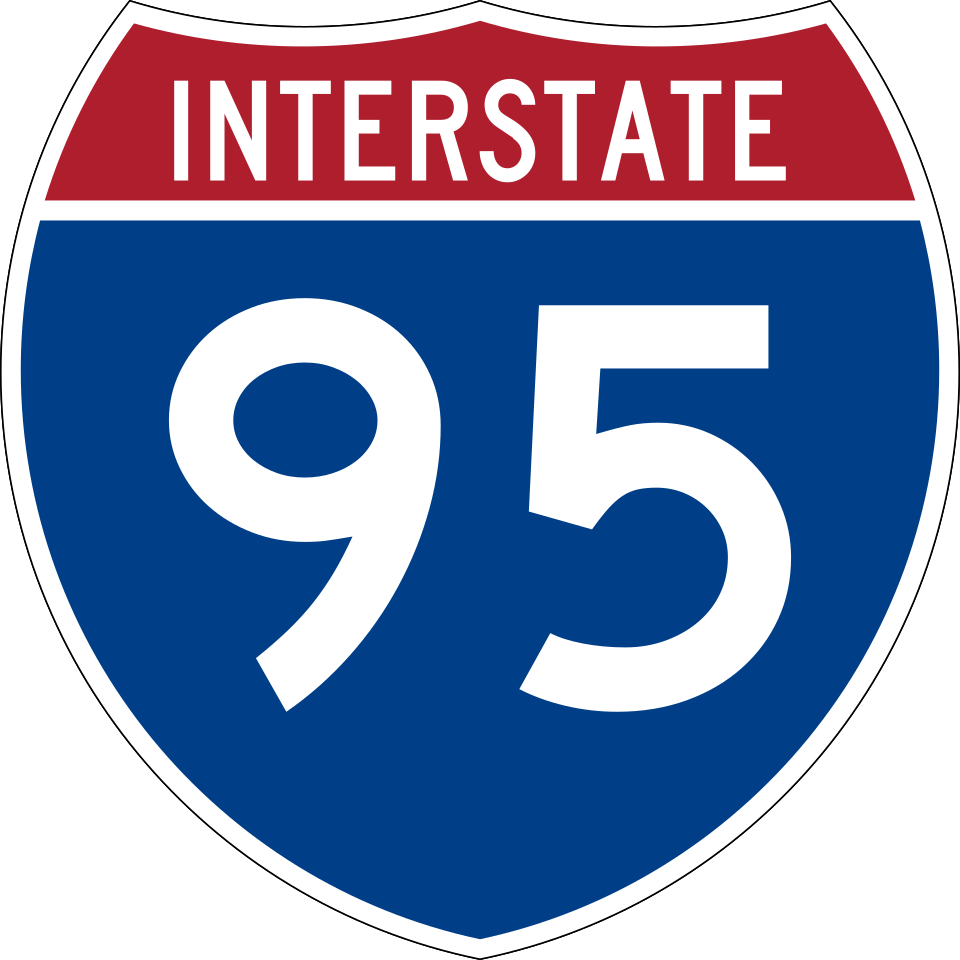
Interstate 95
13 exits in Baltimore
The Northeast Corridor's primary truck artery, running through Baltimore via the Fort McHenry Tunnel. HAZMAT bans force placarded loads to detour to I-695 outer; the McHenry approach is a frequent breakdown zone where shoulders narrow to inches.

Interstate 695
22 exits in Baltimore
The Baltimore Beltway, 51 miles around the city. The de facto truck-bypass for any HAZMAT or oversize load that cannot use the tunnels. Heavy breakdown clustering at the I-95/I-695 split and the Key Bridge replacement detour zone.
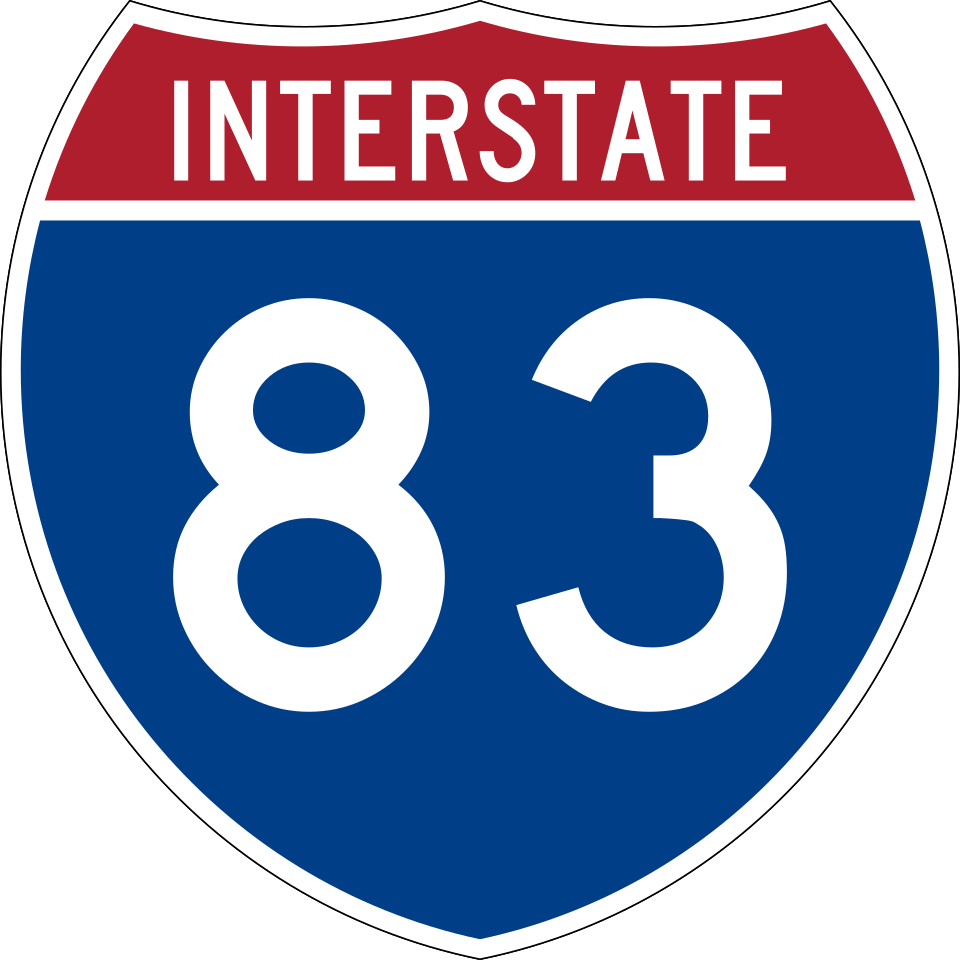
Interstate 83
11 exits in Baltimore
The north-south Jones Falls Expressway corridor running into downtown from York and Cockeysville. Heavy commuter and last-mile freight; tight curves and merges through the Falls Road and Druid Park stretches.
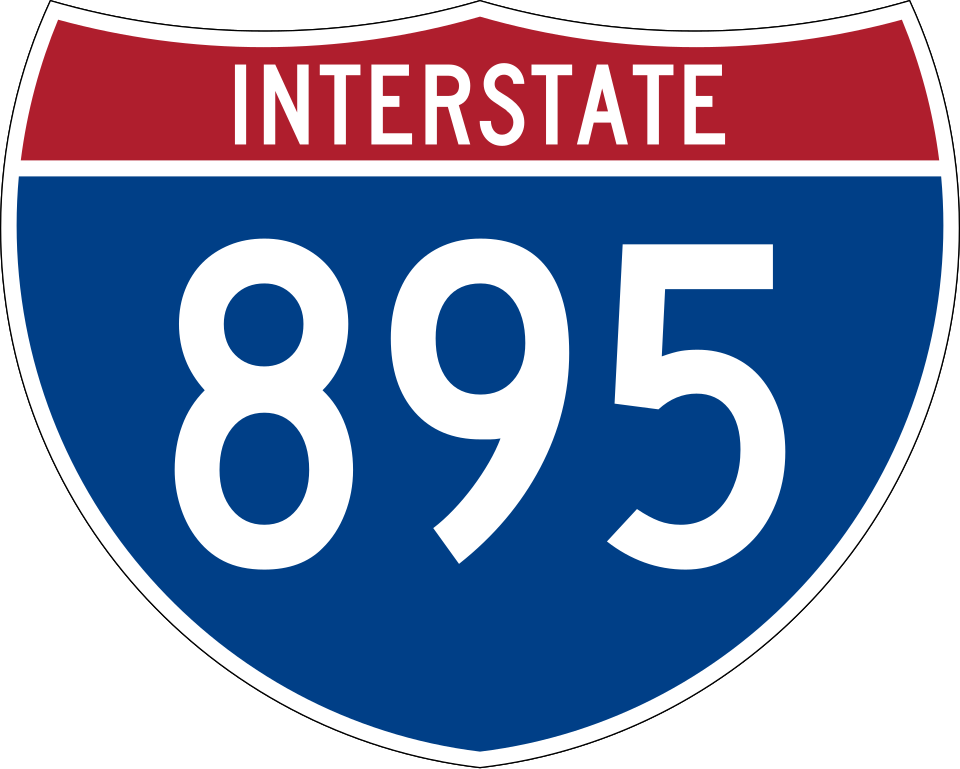
Interstate 895
8 exits in Baltimore
The Harbor Tunnel Thruway, the alternative river crossing south of downtown. Lower height-clearance than McHenry and used heavily by drayage and Ro-Ro trucks; toll plaza congestion is the standing breakdown trigger.
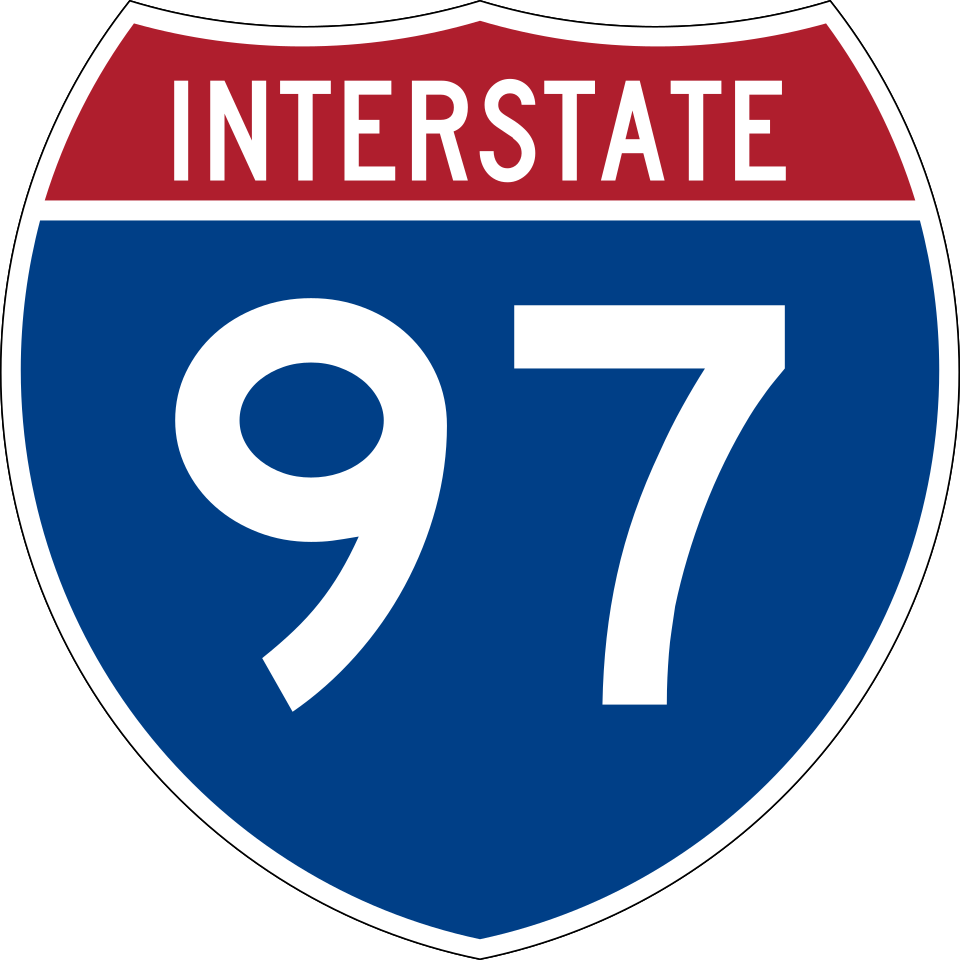
Interstate 97
7 exits in Baltimore
The short connector running south from I-695 down to Annapolis. Heavy military and federal-contract freight; common service zone at the BWI Airport feeder and the Defense Highway exit.

US Route 40
16 exits in Baltimore
The Pulaski Highway corridor running east-west through downtown. Heavy box-truck and last-mile delivery volume; common breakdown zone at the I-95 split and the Baltimore Pike interchange.
Baltimore MD Trucking & Freight Industry Overview
Baltimore is the second-largest US Ro-Ro auto port, the East Coast's leading auto-import gateway, and a critical link in the I-95 northeast corridor. The Port of Baltimore handles a million-plus vehicles per year plus heavy breakbulk and project cargo, while the Fort McHenry Tunnel HAZMAT restrictions force every placarded load onto the I-695 outer loop. With the Francis Scott Key Bridge collapsed in 2024, drayage flows through Baltimore changed permanently and made the I-895 Harbor Tunnel and I-695 Beltway even more critical to regional freight.
Baltimore, also known as Baltimore City, is the most populous city in the U.S. state of Maryland. It is the 30th-most populous U.S. city with a population of 585,708 at the 2020 census and estimated at 569,997 in 2025, while the Baltimore metropolitan area at 2.86 million residents is the 22nd-largest metropolitan area in the nation. The city is also part of the Washington–Baltimore combined statistical area, which had a population of 9.97 million in 2020. Baltimore was designated as an independent city by the Constitution of Maryland in 1851. Though not located under the jurisdiction of any county in the state, it forms part of the Central Maryland region together with the surrounding county that shares its name.
Baltimore's freight economy is built on a triangle of constraints, the Fort McHenry HAZMAT ban, the I-895 Harbor Tunnel height restriction, and a Beltway that absorbs every diverted truck the moment any of the three options closes. Add the post-Key Bridge drayage rerouting that reshaped the city's container flow in 2024, and Baltimore became one of the most operationally complex freight cities on the East Coast. Road Rescue Network's Baltimore rescuers plan around all of it. Our dispatch averages beat regional benchmarks because our mechanics already know which I-695 outer-loop exits cluster the recovery calls and which Sparrows Point gates accept after-hours service trucks.
Anyone who has dispatched a placarded load through Baltimore knows the HAZMAT routing math is non-negotiable, no Fort McHenry, no Baltimore Harbor Tunnel for any load above the height/weight limits, and that means I-695 outer or the I-895 lower tubes depending on the placard class. Our network is built around mechanics who run that routing in their head and stage their trucks accordingly. Frame-rail brake-line corrosion from East Coast salt-truck use is a year-round Baltimore specialty.
Whether you are running a Ro-Ro auto pickup out of Dundalk Marine Terminal, hauling a project-cargo move through Tradepoint Atlantic, or running a routine I-95 northeast-corridor freight pull through the Beltway, the closest verified, insurance-current rescuer in our Baltimore network is reached through a single phone call or service request. Coordination, dispatch, and ETA confirmation are handled by Road Rescue Network's 24/7 operations team.